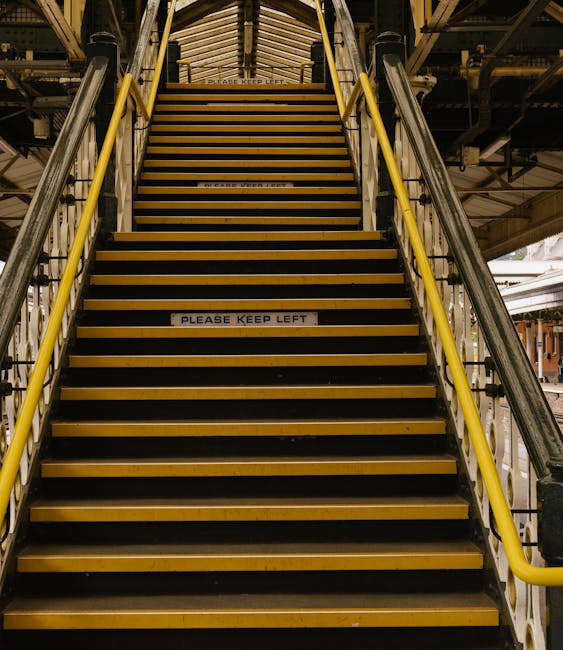
Upper Tooting removals for narrow street and stair moves: a practical guide for awkward access moves
Moving house or flat in Upper Tooting can feel straightforward on paper, then suddenly turn into a puzzle the moment you see the street, the staircase, or both. If you are dealing with a tight terraced road, a narrow hallway, a steep flight of stairs, or that one bulky sofa that seems to have a grudge against doorframes, you are in the right place. This guide to Upper Tooting removals for narrow street and stair moves explains what makes these moves different, how they are handled in real life, and what you can do to keep the day calm, safe, and efficient.
Truth be told, awkward access is where many removals go from "fine" to "why is this so hard?". The good news is that with the right planning, the right vehicle, and the right lifting approach, even a challenging Upper Tooting move can be handled smoothly. Below, you will find a clear breakdown of access checks, packing decisions, stair strategies, parking considerations, and the kind of practical judgement that makes all the difference.
Why Upper Tooting removals for narrow street and stair moves Matters
Upper Tooting has the kind of streets and housing stock that can make removals more complex than a standard kerbside load. Some roads are tight enough that a poorly chosen van blocks traffic or leaves no room for loading. Many homes and flats have stairs that twist, narrow landings, or awkward bends where a fridge, wardrobe, or bed frame needs to be rotated carefully rather than simply carried straight through.
That matters for three reasons. First, access shapes the whole move: vehicle choice, crew size, timing, and lifting method. Second, it affects safety. A rushed stair move can cause damage to walls, balustrades, flooring, and the item being moved. Third, it affects stress. When people underestimate access, the move often takes longer than expected and everyone starts doing that anxious little shuffle up and down the stairs. Nobody needs that on moving day.
In practice, narrow-street and stair moves are not just about strength. They are about judgement, planning, and knowing when a smaller van or extra hands will save time. That is especially true in residential parts of South West London where parking and access can be as much of a challenge as the lifting itself.
Expert summary: the best Upper Tooting moves are won before the van arrives. Measure, plan access, protect the property, and choose the right vehicle and crew for the building rather than the postcode alone.
How Upper Tooting removals for narrow street and stair moves Works
A well-run awkward-access move usually starts with an access review. This can be done from your description, photos, a video walk-through, or an in-person look if needed. The goal is simple: understand what can be moved safely in one piece, what needs partial dismantling, and whether a larger van can actually reach the property without causing delay.
The process often looks like this:
- Assess the access. Check road width, parking options, stair shape, landings, and any tight turns inside the property.
- Match the vehicle. A smaller removal van may be better than a large truck for some Upper Tooting streets.
- Plan the lift route. Identify the simplest path from room to van, including where items will be turned or paused.
- Prepare furniture. Disassemble beds, remove table legs, secure drawers, and wrap fragile surfaces.
- Protect the building. Use floor covers, corner guards, and padding where needed to avoid scuffs.
- Load in the right order. Heavy items first, fragile items last, and items needed early at the new address positioned for easy access.
For many moves, the biggest time-saver is not brute force. It is removing obstacles in advance. A wardrobe that is fully assembled may be impossible on a tight staircase, but a wardrobe split into sections often moves without drama. That is the kind of boring detail that saves the day.
If your move is part of a flat or maisonette move, it may also be worth looking at flat removals and, for a broader household move, house removals. For a simpler point-to-point move, a man and van style service can be the right fit when access is tight and the load is moderate.
Key Benefits and Practical Advantages
Choosing a removals approach designed for narrow streets and stairs has some very real advantages. The first is reduced risk. Smaller vehicles are easier to place on tight roads, and a crew experienced in stair carrying is less likely to nick a wall or catch a banister.
The second is speed, oddly enough. A smaller van can sometimes be faster than a larger truck if the larger vehicle cannot park properly. The same is true inside the building. A team that knows how to turn a sofa on a staircase landing can move it more quickly than a team that keeps trying the same impossible angle. Repetition does not help. A smart pivot does.
The third advantage is flexibility. Many Upper Tooting properties do not offer perfect loading conditions. You may need a shuttle approach, where items are carried to a nearby vehicle or split between more than one trip. A good plan accommodates that rather than fighting it.
- Lower damage risk: better handling on stairs and around tight corners.
- Better parking fit: more suitable for narrow roads and shared residential access.
- Less disruption: fewer issues for neighbours, pedestrians, and passing vehicles.
- Improved timing: access planning keeps the move moving, which sounds obvious until you are three flights up with a mattress.
- More confidence: you know the move has been thought through.
There is also a practical emotional benefit. When a move feels controlled, the day feels less chaotic. You still have boxes, tape, and maybe a kitchen that vanished into cardboard somewhere, but the key stress points are handled.
Who This Is For and When It Makes Sense
This type of removals planning makes sense for anyone dealing with difficult access, but it is especially useful for people moving from or into:
- upper-floor flats with no lift
- Victorian or older terraced homes with narrow staircases
- properties on busy or narrow residential roads
- shared houses with limited hall space
- student accommodation with awkward stair access
- small offices in converted buildings
It also makes sense if you are moving a few valuable or awkward items rather than a full house. A piano, for example, needs a very different approach from a stack of boxes. If that is part of your move, piano removals should be considered on its own merits, because weight distribution, protection, and route planning matter a lot more than people expect.
For business moves, stair access and narrow roads can affect service continuity too. If you are shifting equipment, stock, or files, the right planning may involve office removals or broader commercial moves support. To be fair, nobody wants staff standing around because a filing cabinet refuses to clear a stair turn.
Students and renters often benefit from smaller, simpler setups as well. That is where student removals can be a neat fit, especially if the move is time-sensitive and the staircase is doing its best to be difficult.
Step-by-Step Guidance
If you want the move to go well, keep the process practical and a bit ruthless. Not everything needs to be moved in its current form. Not everything needs to be boxed in the most expensive way either. Here is a straightforward approach.
1. Measure the awkward bits
Measure the width of the stairwell, the narrowest doorway, any turning point on the stairs, and the item's largest dimensions. It sounds basic, and it is. Yet people still discover on moving day that the sofa was, in fact, "a bit bigger than I remembered". Funny how that happens.
2. Decide what must be dismantled
Bed frames, dining tables, wardrobes, and shelving units are often easier to move in sections. Keep bolts, screws, and fixings in labelled bags. Put the bag in a clearly marked box, not in your pocket, unless you enjoy the thrill of losing it.
3. Choose the right packing method
Heavy items need small boxes. Fragile items need cushioning, not random newspaper balled up at the last minute. If you want a more structured approach, packing and boxes and packing and unpacking services can help reduce breakages and make loading far easier.
4. Clear the stair route
Take pictures, shoes, coat hooks, loose mats, and anything else that narrows the path. On a tight landing, a single umbrella stand can become the main villain of the day.
5. Protect surfaces before lifting begins
Use floor runners, blankets, and padding on corners where possible. A careful crew will usually do this without being asked, but it helps when the property is ready too.
6. Load strategically
Put the most awkward items in first if access from the street is limited, but balance that with what needs to come off first at the destination. This takes a little judgement. It is not glamorous, just effective.
7. Leave room for the unexpected
In old buildings especially, one extra turn or a tighter-than-expected handrail can change the whole movement path. Build a little time into the plan so there is no panic when the staircase is slightly more annoying than expected. Which, let's face it, is often.
Expert Tips for Better Results
One of the best tips is to work with the building, not against it. If a sofa cannot move upright, try it on its side. If a bed base is catching on a turn, rotate it earlier rather than later. Small adjustments like that can save a huge amount of effort.
Another practical tip: keep a separate essentials bag for keys, chargers, tea, kettle items, medication, and documents. It is not technically part of the lifting plan, but once you have arrived and are standing in a half-empty room at 8 p.m., you will be very glad you did it.
Here are a few more pointers that experienced movers tend to follow:
- Use blankets and stretch wrap early. Protecting furniture after it is already marked is too late.
- Do not overfill boxes. A box that is impossible to lift safely is a bad box, full stop.
- Keep the staircase clear. One open box on a landing can slow the whole chain down.
- Ask for a second person on awkward items. Extra hands can prevent both damage and strain.
- Check parking before the day. A beautiful moving plan can still wobble if the van has nowhere to stop.
If you need a bit more general moving support, removal services can cover the practical parts of loading, transport, and handling. For people who want a more vehicle-specific option, removal van hire may be enough, while larger or mixed-load moves may need a moving truck.
Common Mistakes to Avoid
The most common mistake is assuming the widest item will just squeeze through if everyone tries hard enough. That is rarely how it works. If there is a landing, a banister, and a sharp turn, the move needs planning, not optimism.
Other mistakes show up all the time:
- Not measuring properly. Guessing causes delay and sometimes damage.
- Using oversized vehicles for tight streets. Bigger is not always better for Upper Tooting access.
- Leaving packing too late. Half-packed boxes are awkward to carry and harder to stack safely.
- Forgetting parking constraints. A van parked too far away adds extra carrying distance and fatigue.
- Skipping disassembly. A furniture piece that should have been split apart may become the slowest item in the move.
- Underestimating time. Stair moves often take longer than ground-floor moves. That is normal.
One more subtle mistake is not telling the removals team about the hard bits. If there is a narrow spiral stair, a low ceiling, or a parking restriction on your road, say so early. A few honest details at the start can save a lot of trouble later. No drama, just clarity.
Tools, Resources and Recommendations
You do not need a warehouse full of kit to manage a tight move, but a few tools make a large difference. The best kit is usually the unexciting stuff: strong boxes, decent tape, furniture blankets, stretch wrap, labels, and a basic toolkit for dismantling.
For more complex moves, a few other items become useful:
- Furniture sliders: helpful on smooth floors, especially for heavier pieces.
- Ratchet straps: useful for securing loads in transit.
- Corner protectors: practical for keeping walls and furniture edges safe.
- Work gloves: better grip and a bit of protection on awkward lifts.
- Mattress covers: ideal if you are carrying bedding through a tight or dusty stairwell.
It also helps to compare transport options carefully. Some people only need a small van and a couple of hours; others need a more structured full-service move. If you are weighing that up, removal companies can help frame the choice, while removal truck hire may be more suitable for larger or multi-room moves where the load is substantial.
If storage is part of the plan, maybe because completion dates do not line up or you are renovating after the move, storage can be a practical bridge rather than forcing everything into the new place at once. That can take a surprising amount of pressure off.
Law, Compliance, Standards, or Best Practice
For moving work in the UK, the most important compliance themes are safety, insurance, and reasonable care. The precise obligations depend on the job, but good practice is consistent: protect people, protect property, and move goods securely.
For example, a professional removals provider should be clear about handling methods, vehicle suitability, and the protection used for items and premises. If a move is heavy, awkward, or potentially risky, it should be planned with lifting safety in mind rather than relying on guesswork. Manual handling matters. So does the condition of the stairs, the lighting, and the amount of room available to pivot.
Before booking, it is sensible to check policies relating to health and safety and insurance and safety. You do not need a legal lecture, just a clear sense of how the work is managed and what cover or procedures are in place.
If you are comparing providers, you may also want to read their terms and conditions and pricing and quotes information so you understand what is included, what might count as an access issue, and how any extra labour or waiting time is handled. That sort of clarity is quietly reassuring.
Options, Methods, or Comparison Table
Different access situations call for different approaches. The right one depends on how narrow the street is, how steep the stairs are, and how much you are moving. Here is a simple comparison to make the choice easier.
| Approach | Best for | Strengths | Limitations |
|---|---|---|---|
| Small van move | Tight streets, smaller household loads, flats | Easier parking, more flexible access, often quicker on narrow roads | Less capacity, may need more trips |
| Standard removals team | Typical home moves with some stairs | Good balance of labour and efficiency | May still need careful planning for awkward turns |
| Full-service removals | Large homes, mixed loads, fragile items | More hands, more protection, better for complex moves | Usually more involved to organise |
| Split move with storage | Moves with timing gaps or limited space | Flexible, reduces rush, useful for refurb or completion delays | Requires extra coordination |
In many Upper Tooting situations, the best answer is a smaller vehicle with a well-trained crew rather than a large truck trying to do battle with a narrow road. That sounds almost too simple, but it is often the correct answer.
Case Study or Real-World Example
Imagine a two-bedroom flat in Upper Tooting on the second floor of a converted Victorian house. The road outside is narrow, with parked cars on both sides, and there is no lift. The client has a sofa, a double bed, a dining table, several book boxes, and a mirror that definitely should not meet a staircase corner at speed.
The practical solution would likely be to send a smaller van, arrive at a time when parking is most manageable, and pre-wrap the furniture. The bed frame comes apart first. The dining table legs are removed. The mirror is boxed or heavily padded. The sofa is checked against the staircase route before lifting begins. If the landing is too tight, the team may rotate the sofa early and carry it in a different orientation. Not elegant. Effective, though.
What usually makes the difference is the way the move is sequenced. The heavy items are carried while everyone is fresh. Fragile items are loaded once the main bulk is out of the flat. A last sweep confirms nothing has been left in the bathroom cupboard or behind the radiator. Then the van leaves without the usual panic of "Wait, where are the keys?" and the day feels manageable rather than explosive.
That is the real win: not perfection, just a move that works without drama.
Practical Checklist
Use this checklist before your move day. It is simple, but it covers the stuff that tends to trip people up.
- Measure stair widths, doorways, and tight turns
- Check whether any furniture needs dismantling
- Confirm parking and loading access near the property
- Label boxes by room and priority
- Pack fragile items separately and secure them well
- Protect floors, corners, and bannisters where possible
- Keep essential items in one easy-to-find bag
- Tell the removals team about any narrow landings or low ceilings
- Plan for weather, especially if there is a long carry from van to door
- Set aside a little extra time for stairs and awkward turns
Quick reminder: if you are unsure whether a large item will fit, check it before moving day. That one step saves a lot of last-minute improvising.
Get a free quote today and see how much you can save.
Conclusion
Upper Tooting removals for narrow street and stair moves are never just about transport. They are about access, timing, lifting, and making sensible choices before the first box is touched. If you plan for the street, the stairs, and the furniture together, the whole move becomes easier to manage and much less stressful.
The best results usually come from small, thoughtful decisions: the right van, the right packing, the right route, and the right level of help. It is a bit old-fashioned, maybe, but preparation really does beat panic. Every time.
If your move feels awkward on paper, that is exactly the moment to slow down, measure twice, and choose a method that fits the property instead of forcing the property to fit the plan. That calm approach tends to pay off in the end, and you will feel it the moment the last box is in place.
Frequently Asked Questions
What makes Upper Tooting removals for narrow street and stair moves more difficult than a standard move?
The main challenges are limited parking, tighter road access, steep or narrow stairs, and awkward turns inside older properties. Those details affect the size of vehicle you can use, how many people you need, and how furniture should be handled.
Do I need a small van for a narrow Upper Tooting street?
Not always, but often a smaller van is easier to park and manoeuvre. If the road is tight or shared with lots of parked cars, a compact vehicle can be far more practical than a larger truck.
How do movers carry furniture up narrow stairs safely?
They usually assess the route first, protect walls and floors, and adjust the angle of the item as needed. In some cases furniture is dismantled or carried by two or more people to keep it stable and manageable.
Should I dismantle my furniture before the move?
Yes, if it will make the item safer or easier to carry. Beds, tables, shelving units, and some wardrobes are often best moved in parts. Keep all fixings together in labelled bags.
What should I tell the removals team before moving day?
Share any details about narrow staircases, low ceilings, parking restrictions, lift access, fragile items, or especially heavy pieces. The more accurate the information, the better the plan.
Can a piano be moved up stairs in a narrow building?
Sometimes, but it depends on the staircase, the piano type, and the available space. Pianos are specialist items, so it is better to treat them as a separate planning problem rather than assume they will fit.
Is it worth using storage if the stairs are awkward?
Yes, if you need to split the move into stages or if there is limited space at the new property. Storage can reduce pressure and make a difficult move more manageable.
How far in advance should I book a move in Upper Tooting?
As early as you can, especially if your access is difficult. More notice gives time for assessment, vehicle planning, and any packing or dismantling that needs to be done properly.
Will narrow access increase the cost of my move?
It can, because awkward access may require more labour, more time, or a different vehicle. The best way to understand the likely cost is to ask for a clear quote based on the actual access conditions.
What if the sofa or wardrobe does not fit through the stairwell?
Then it may need to be dismantled, moved on a different angle, or handled by a more experienced crew. In some cases, the item simply is not suitable for that route and a different plan is needed.
How can I make moving day less stressful?
Pack early, label boxes clearly, clear the stair route, and keep essentials separate. A good access plan removes a lot of uncertainty, which is half the battle on moving day.
Where can I learn more about your moving approach and policies?
You can review the company information, including about us, insurance and safety, and health and safety policy. Those pages are useful if you want a better sense of how the work is handled and what standards are followed.
Moving in Upper Tooting can be a bit of a squeeze, but with the right plan it does not have to feel like one. Take it step by step, keep the route clear, and give the awkward bits the respect they deserve. That usually does the trick.