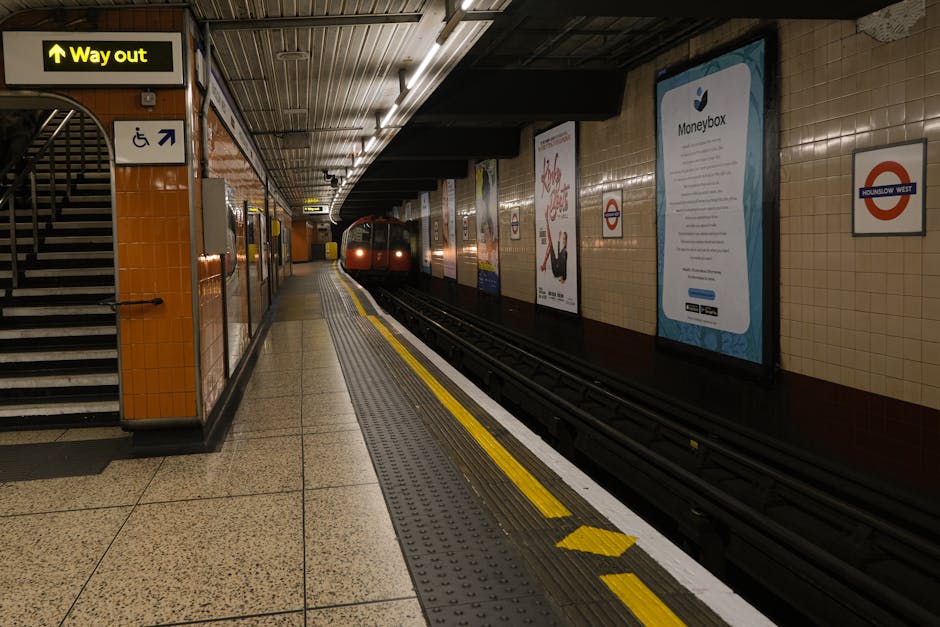
Tooting SW17 Removals Tooting Broadway Station Access Tips
If you are planning a move in Tooting SW17, the bit that catches people out is often not the packing or the lifting. It is the access. Tooting Broadway station can make a move feel oddly awkward: busy pavements, narrow residential streets, stop-start traffic, and that constant London problem of getting a van close enough without creating a scene. This guide to Tooting SW17 removals Tooting Broadway station access tips is here to make the whole thing feel calmer, more organised, and a lot less rushed.
Whether you are moving a one-bedroom flat near the station, shifting a family home a few streets away, or arranging a same-day collection, the details matter. Where will the van wait? Can boxes be carried safely from the entrance? What is the best time to avoid the busiest flow around the station? Those are the questions that save time, money, and a fair bit of stress. Let's get into the practical stuff.
Why Tooting Broadway station access matters
Access around Tooting Broadway station affects almost everything about a move. The obvious issue is distance: the further the van has to park from the property, the more time it takes to load or unload. But there is more to it than that. Busy footfall near a station means you need to think about pedestrian flow, doorways, loading points, and whether a vehicle can safely stop without blocking buses, cyclists, or impatient local traffic.
In practice, a move that looks straightforward on paper can become awkward very quickly if you have not checked the access route. A first-floor flat above shops, a house on a tight road, or a property tucked behind a terrace can all create delays. That matters because removals are usually scheduled to the minute. If the crew is circling for parking while your sofa waits in the hallway, the whole day starts to slip.
It also matters for safety. Good access planning reduces carrying distances, awkward turns, and the risk of a dropped item or a strained back. If there is a piano, wardrobe, or bulky sofa involved, the route from front door to vehicle needs to be clear and realistic, not just optimistic. Truth be told, optimism is great for moving day morale, but not for a 70kg cabinet.
If you are comparing moving support, it can help to understand the wider service picture too. For example, man and van jobs can work brilliantly for local SW17 moves, while larger households may need fuller removals support or even a dedicated moving truck. The right choice often depends on access as much as volume.
How Tooting Broadway station access planning works in practice
Access planning is basically the art of reducing unknowns before moving day. It starts with three simple checks: how close the vehicle can get, how the items will be carried, and what might interrupt the route. Around a station area, those checks should be done with a little extra care because the environment changes quickly during the day.
Here is the usual process. First, identify the exact pickup and delivery points, not just the postcode. Then look at the street layout and decide where the van can sensibly stop. After that, estimate the carrying distance from property to vehicle, including steps, stairs, or tight turns. Finally, work out the time window when access is likely to be easiest. Early morning often feels calmer, while peak commuter periods can be a headache. You will notice that even a short delay can snowball if the area is busy.
If you are arranging a flat move, you may want to look at a service such as flat removals. For homes, the more suitable option may be home moves or house removals. These services are not just labels; they imply different handling, different vehicle planning, and often different expectations for access.
One practical point people overlook: access is not only about the front door. It includes the path inside the building, lift availability, shared hallways, and whether neighbours or building managers need a heads-up. In station-adjacent properties, stairwells and communal entrances can be narrow, so even a small box trolley may need a bit of choreography.
Key benefits and practical advantages
Good station access planning pays off in very real ways. The biggest win is speed. If the van can stop in a sensible place and the route is clear, loading becomes smoother and the crew can stay focused. That usually means fewer clock-watching moments and less fatigue by midday.
There is also a cost benefit. Removals are often priced based on time, labour, vehicle size, and complexity. When access is poor, the job may take longer than expected. Better planning helps keep the work efficient and gives you a more reliable quote. If you are in the early stages, it is worth checking pricing and quotes so you can compare options with access in mind, not just headline price.
Another benefit is reduced breakage risk. Bulky items moved over shorter, cleaner routes are generally easier to protect. A clean handover from property to van is far better than weaving through parked cars, bins, or a crowded pavement carrying a wobbly mirror. Nobody wants that moment.
Finally, better access planning helps you stay calm. That sounds soft, but it matters. Moving day is noisy, tiring, and full of tiny decisions. When the arrival point, unloading point, and timing are already thought through, the day feels more manageable.
| Access approach | Best for | Main advantage | Typical downside |
|---|---|---|---|
| Kerbside parking close to the property | Small to medium domestic moves | Fast loading and shorter carrying distance | Can be harder to secure near busy station streets |
| Short walk from a side street | Flats and terraces with limited frontage | Flexible if the main road is too busy | Extra carrying time and a bit more effort |
| Pre-planned loading bay or permitted stop | Commercial moves and larger domestic jobs | More organised vehicle positioning | Needs early coordination and sometimes tighter timing |
| Shuttle-style carry from property to van | Properties with restricted access | Works even where van access is awkward | Slower and more labour-intensive |
Who this is for and when it makes sense
This topic is most useful if you live or work close to Tooting Broadway station and you are moving anything larger than a few bags. But it is not just for big households. A student moving from a compact flat, a couple relocating into a terrace, or a business shifting office furniture can all benefit from thinking about station access first.
It also makes sense if you are choosing between moving styles. A smaller load may suit removal van support, while bigger or more fragile items may call for specialised help such as piano removals or furniture removals. In our experience, the people who plan access early are usually the ones who say, a week later, "That actually went fine." Which is a lovely sentence to hear after moving day.
This also applies to landlords and managing agents. If a flat is being turned over between tenants, access planning can make end-of-tenancy logistics easier. The same goes for businesses close to the station, where timing around pedestrians and deliveries can matter just as much as the load itself. For those jobs, commercial moves or office removals may be the better fit.
If you are not sure whether you need a full service or a lighter-touch option, a flexible man with van arrangement can be a sensible middle ground. It is often a better fit for local access challenges than trying to force a too-large vehicle into a tight street.
Step-by-step guidance
Here is the simplest way to approach a move near Tooting Broadway station without overcomplicating it.
- Confirm the exact property access. Check whether the entrance faces the main road, a side street, a mews, or a courtyard. Small differences matter.
- Measure the carry route. Count steps, note lift access, and think about awkward corners, low ceilings, or tight landings.
- Decide where the van will stop. Aim for the nearest safe, legal point that avoids blocking foot traffic or nearby driveways.
- Choose the right time window. Early starts often help. Around a station, moving through the busiest hours can be messy, especially if buses and commuters are in the mix.
- Separate items by priority. Keep the first things you need in one place: kettle, documents, chargers, bedding, and a small tool kit. Not glamorous, but very useful.
- Protect entrances and flooring. Hallways, stair edges, and front thresholds take a beating on moving day, so prep them if you can.
- Share access notes with the moving team. Let them know about door codes, parking restrictions, one-way streets, and any building rules.
- Have a backup plan. If the closest spot is taken, know the second-best place to stop and the safest walking route from there.
For the packing side of that process, it is worth using proper packing and boxes support or a more complete packing and unpacking services option if you are short on time. Well-packed items are easier to move through a difficult access route. Simple, but true.
If you are moving quickly, a local team that offers same day removals can help, though same-day work near station areas needs especially clear access notes. No one enjoys improvising parking while the clock is already running.
Expert tips for better results
First, keep the van size realistic. Bigger is not always better. Around Tooting Broadway, a compact or medium vehicle can sometimes beat a large truck simply because it is easier to place. A slightly smaller vehicle with fewer parking headaches can be the smarter move.
Second, think in terms of carrying lines. The cleanest line from door to van usually saves more time than almost anything else. If there is a choice between a slightly closer but awkward stop and a slightly farther but straight route, the straighter route often wins. Your shoulders will thank you later.
Third, label items in a way that reflects access, not just room names. For example, "front room - load first" is more useful than just "lounge." That tiny bit of order helps the team make good decisions without asking you about every single box.
Fourth, keep building access details in one message or note. Door codes, concierge instructions, lift bookings, and parking notes should not be scattered across text threads. It sounds obvious, but moving-day brain is real. People forget things.
Fifth, be careful with delicate items near busy streets. If a mirror or framed artwork needs to be held at an angle through a narrow entrance, pack it properly before the team arrives. Good wrapping is not overkill; it is insurance against one clumsy moment.
And a small one: if you are moving from a flat above a shop, check whether stock deliveries or morning rubbish collection could affect the ground floor. Little timing conflicts like that are easy to miss, then they suddenly become the whole story.
Common mistakes to avoid
One of the biggest mistakes is assuming that the postcode tells the whole story. It does not. Two properties only a few minutes apart can have very different access conditions. The building entrance, parking layout, and road width matter far more than the postcode alone.
Another common issue is underestimating how long stairs take. Even if the move is local, stairs add up. Add in a couple of heavy items and a narrow landing, and suddenly the job is slower than expected. That is not a problem if you planned for it. It is a problem if you did not.
People also forget to check whether they need any building permission or advance notice. Some flats, managed buildings, and commercial premises prefer a booking slot or written notice. Not always, but enough that it is worth asking early rather than turning up and hoping for the best.
Then there is the classic mistake of leaving parking until the last minute. Around a station, that can be painful. If the nearest legal stop is not available, you need enough time to adapt without panic. The move gets easier when the parking plan is treated like part of the job, not an afterthought.
Finally, do not pack heavy items into boxes that are too large. This is one of those tiny moving sins that comes back to haunt you. A box can be properly sealed and still be terrible to carry. Keep the weight sensible, especially if the route includes steps or a longer walk to the van.
Tools, resources and recommendations
You do not need fancy gear to manage access well, but a few practical items help a lot. A tape measure, marker pens, packing tape, bubble wrap or paper for fragile items, and a foldable trolley can all make a difference. If you are doing a move with lots of books or kitchen items, strong smaller boxes are better than oversized ones that become impossible to lift. That part never gets old.
For more involved jobs, it may be worth combining services. A household move might benefit from removal services plus short-term storage if the new property is not quite ready. If you are decluttering before moving, furniture pick up or furniture removals can reduce the volume on the day.
If you need something more robust for a larger property or a heavier load, a removal truck hire option may suit you better, especially where there is enough access to justify the vehicle size. For office moves, a dedicated office relocation services approach can also be the more organised path.
And if you want the wider company story before booking, it can be useful to review about us and the details on insurance and safety. Trust matters when you are handing over personal belongings, and a good mover should make that easy to understand.
Law, compliance, standards and best practice
For local removals near a station, the main compliance concerns are usually practical rather than dramatic: parking rules, safe loading, building access rules, and care around the public highway. You should not assume a vehicle can stop anywhere convenient. In London, a legal loading plan is part of doing the job properly, and it is best approached with caution.
From a safety point of view, the standard is simple: reduce risk where you can. Keep walkways clear, avoid overloading boxes, use suitable lifting techniques, and make sure fragile or heavy items are handled by enough people. If a job feels awkward, it probably is awkward. Better to pause than to force it.
Where buildings have their own rules, follow them. That may include lift booking, noise windows, protected flooring, or notice for large items. For commercial premises, there may be additional internal procedures too. It is not about fussiness; it is about keeping the move smooth and respectful for everyone else on site.
If you are checking a provider's standards, useful pages such as terms and conditions, payment and security, health and safety policy, and recycling and sustainability can help you understand how they work. A reputable mover should be comfortable explaining these things in plain English.
Options, methods, or comparison table
Different move types suit different access conditions. Near Tooting Broadway station, the best option is not always the most obvious one. Here is a simple comparison.
| Option | Best for | Access fit | Notes |
|---|---|---|---|
| Man and van | Smaller loads, student moves, local deliveries | Strong for tight or changing access | Flexible, quick, and often easier to position near busy streets |
| Full removals team | Family homes, multi-room properties, more fragile loads | Best when there is a lot to carry | Helpful if stairs, furniture, and time pressure all show up at once |
| Removal truck hire | Larger moves with enough space for loading | Works well where access is straightforward | Can be too much vehicle for busy station-side streets |
| Storage plus move | Delayed completions, staged moves, decluttering | Useful when access and timing are both tricky | Gives breathing room if you cannot move everything in one go |
For students or short-notice relocations, student removals can be a practical choice, especially if you are trying to stay nimble around station traffic and limited parking. It is the sort of move where small planning wins make a surprisingly big difference.
Case study or real-world example
Picture a weekday morning move from a second-floor flat a short walk from Tooting Broadway station. The building has a narrow entrance, no lift, and the closest parking is not directly outside. At first glance, that sounds annoying but manageable. Once the team checks the route, though, it becomes clear that the best approach is to stop one street away, carry items via a short side route, and load the lighter boxes first while leaving the heavier furniture until the van is properly positioned.
That small adjustment changes the whole day. Instead of trying to force a bad parking spot and losing time, the move flows in a steady rhythm: boxes down, furniture protected, hallway kept clear, and the final sweep done without rushing. There is still effort, of course. Moving is moving. But the stress level drops because the access plan was realistic.
A similar thing happens with office work. A small business near the station might think it only needs a van and a couple of people. Yet once monitor stands, filing units, and boxed equipment are counted, access becomes the deciding factor. A proper plan can mean the difference between a tidy handover and a frustrating scramble.
Expert summary: Around Tooting Broadway station, the smartest removals plan is usually the one that prioritises safe vehicle positioning, shorter carry routes, and realistic timing over sheer vehicle size.
Practical checklist
Use this quick checklist before moving day. It is simple, but it saves a lot of head-scratching.
- Confirm the exact entrance and loading point.
- Check for stairs, lifts, tight corridors, or low ceilings.
- Identify the nearest safe and legal place for the van to stop.
- Ask about building rules, lift bookings, or notice requirements.
- Separate fragile items and label boxes clearly.
- Keep essentials in one easy-to-reach box.
- Tell the moving team about parking restrictions and access codes.
- Decide whether you need packing help, storage, or furniture disposal support.
- Leave a little buffer time for traffic and last-minute access changes.
- Double-check keys, documents, and payment details before the van arrives.
If you are still deciding between a few service types, it can help to compare removal companies as well as the more hands-on man with a van approach. Some moves genuinely suit one better than the other. No need to overcomplicate it.
Conclusion
Tooting Broadway station access is one of those moving-day details that looks small right up until it is not. Once you factor in parking, carrying distance, foot traffic, building rules, and timing, the move becomes much easier to handle. That is really the heart of Tooting SW17 removals Tooting Broadway station access tips: plan the route, match the vehicle to the street, and keep the day as straightforward as possible.
Whether you are moving a flat, a family home, a student room, or a business space, the same logic applies. Clear access beats guesswork. And if you can combine that with sensible packing, the right vehicle, and a calm start time, you are already ahead of the game.
Get a free quote today and see how much you can save.
Move smart, keep the route simple, and give yourself one less thing to worry about on the day. That little bit of calm goes a long way.
Frequently Asked Questions
What are the main access issues near Tooting Broadway station?
The main issues are parking availability, heavy foot traffic, narrow roads, and the challenge of getting close enough to a property without blocking access for others. Timing matters a lot too.
Is a man and van suitable for a move near the station?
Often, yes. A man and van setup can be ideal for smaller loads or tight access because it is usually more flexible than a larger vehicle.
Should I choose a larger truck if I have a lot of items?
Only if the road access makes sense for it. A bigger vehicle is useful for volume, but if parking is awkward near the station, a smaller vehicle or staged move may be easier.
How early should I plan access for moving day?
As early as possible. Ideally, confirm parking, building access, and any lift bookings once you have a moving date. Waiting until the day before can create avoidable stress.
Do I need to tell my building manager about the move?
In many cases, yes. Some flats and managed buildings want notice for large moves, lift use, or hallway protection. It is best to ask rather than assume.
What if the van cannot park right outside my property?
That is common around station areas. The move can still work well if there is a safe nearby stopping point and the carrying route is planned properly.
Can packing help reduce access problems?
Absolutely. Well-packed boxes are easier to carry, stack, and move through narrow spaces. If time is tight, packing and unpacking services can save a lot of hassle.
Is storage useful if access or timing is awkward?
Yes, sometimes very useful. If you are waiting on keys, doing a phased move, or dealing with limited access, storage can make the transition less pressured.
What should I do with large furniture that will not fit easily through the entrance?
Measure it before moving day. If it is borderline, let the movers know in advance so they can plan the route or advise whether furniture removals support is the safer option.
How can I make a student move near Tooting Broadway easier?
Keep it light, label everything clearly, and aim for a quieter time of day if you can. A smaller vehicle and a simple plan usually work best for student removals.
Are same-day removals possible in SW17?
They can be, depending on availability and access conditions. The key is giving very clear pickup and drop-off details so the team can work efficiently from the start.
Where can I check your company details before booking?
You can review pages such as about us, terms and conditions, and insurance and safety for a better sense of how the service works and what to expect.